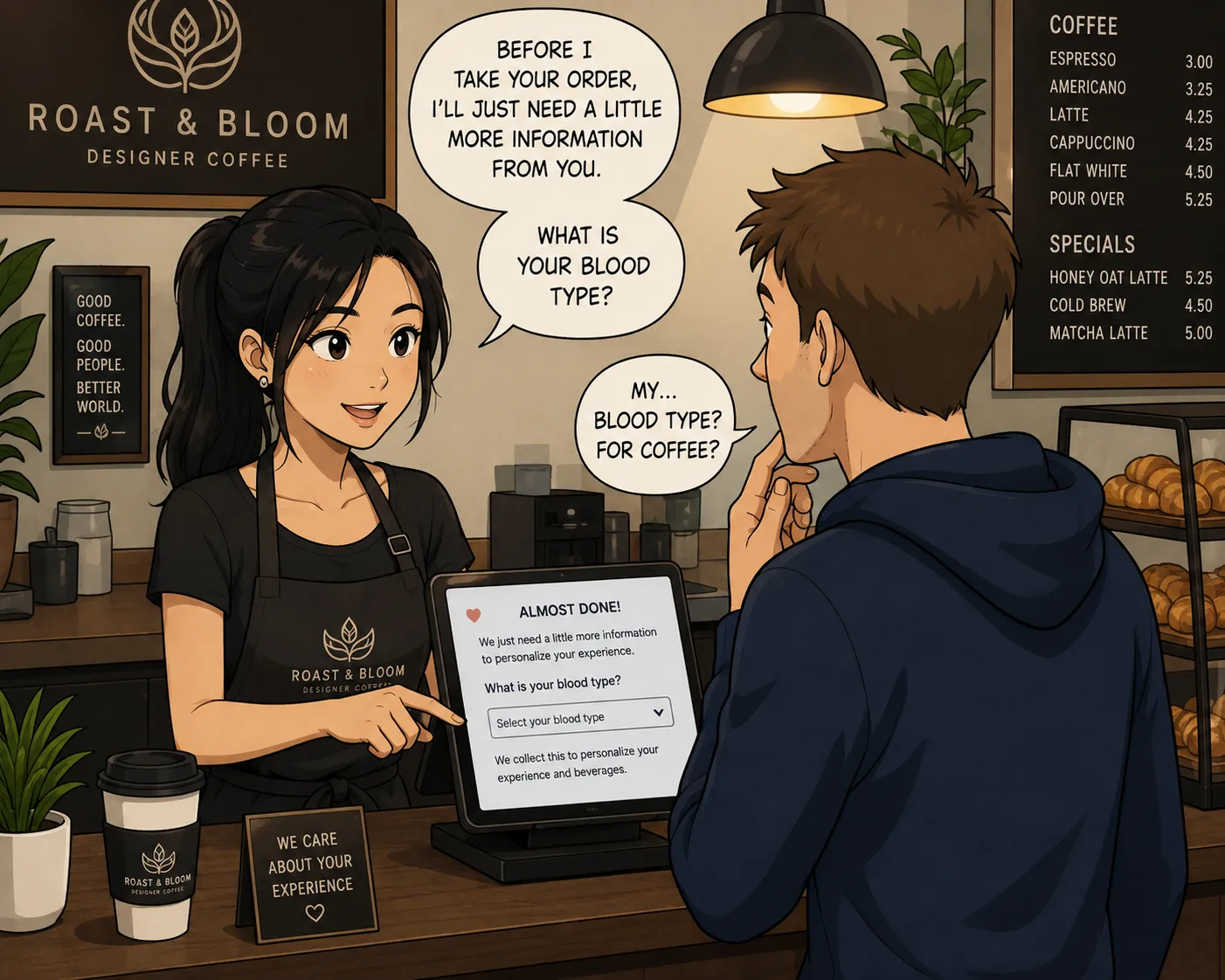
Data Minimization: Why Does the Coffee Shop Need to Know My Blood Type?
Modern identity systems have a bit of a hoarding problem.
Read article: Data Minimization: Why Does the Coffee Shop Need to Know My Blood Type?17 articles tagged Privacy.
Modern identity systems have a bit of a hoarding problem.
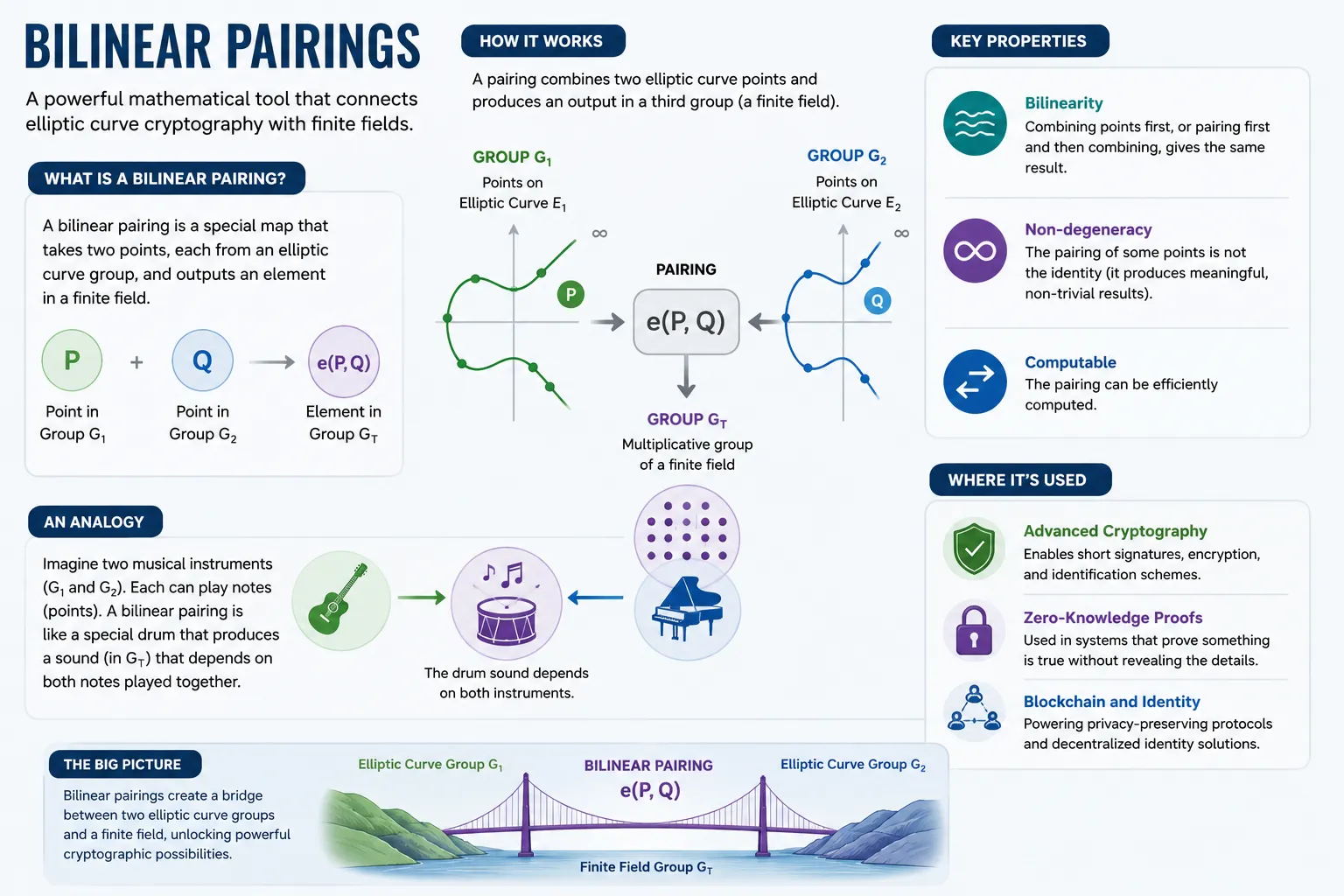
Read article: Data Minimization: Why Does the Coffee Shop Need to Know My Blood Type?If you’ve spent any time reading about modern cryptography — especially BBS Signatures, attribute-based credentials, or identity-based encryption — you’ve probably encountered the phrase bilinear pairing.
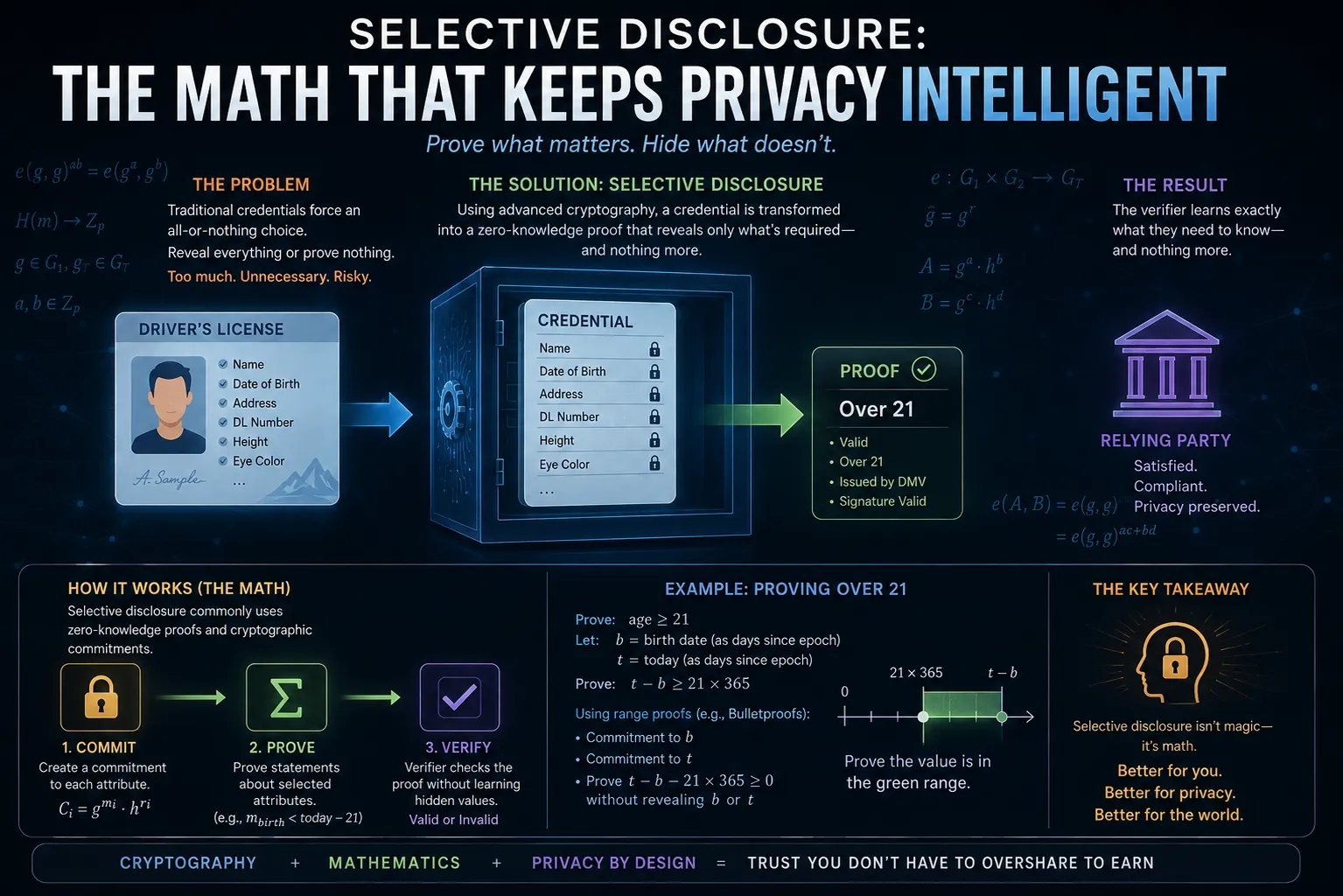
Read article: Bilinear Pairings: Modern Privacy-Preserving CryptographySelective Disclosure is fundamentally a mathematical concept. The protocols (SD-JWT VC, BBS-2023, AnonCreds, Idemix, U-Prove, etc.) are really just engineering built on top of several branches of mathematics.
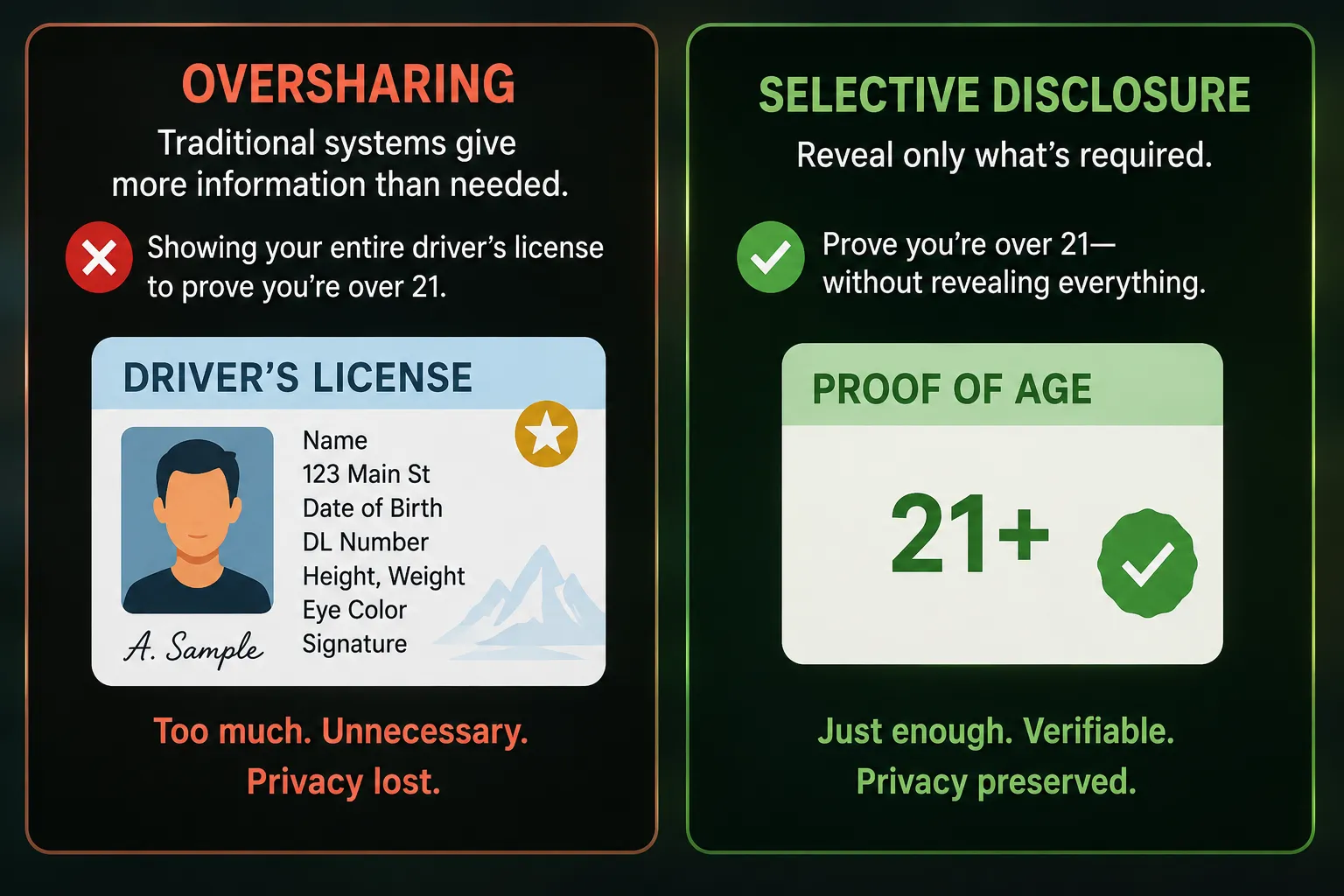
Read article: Selective Disclosure: The MathFor decades, digital identity has operated on a remarkably inefficient principle, “If someone asks for one piece of information, give them everything.”
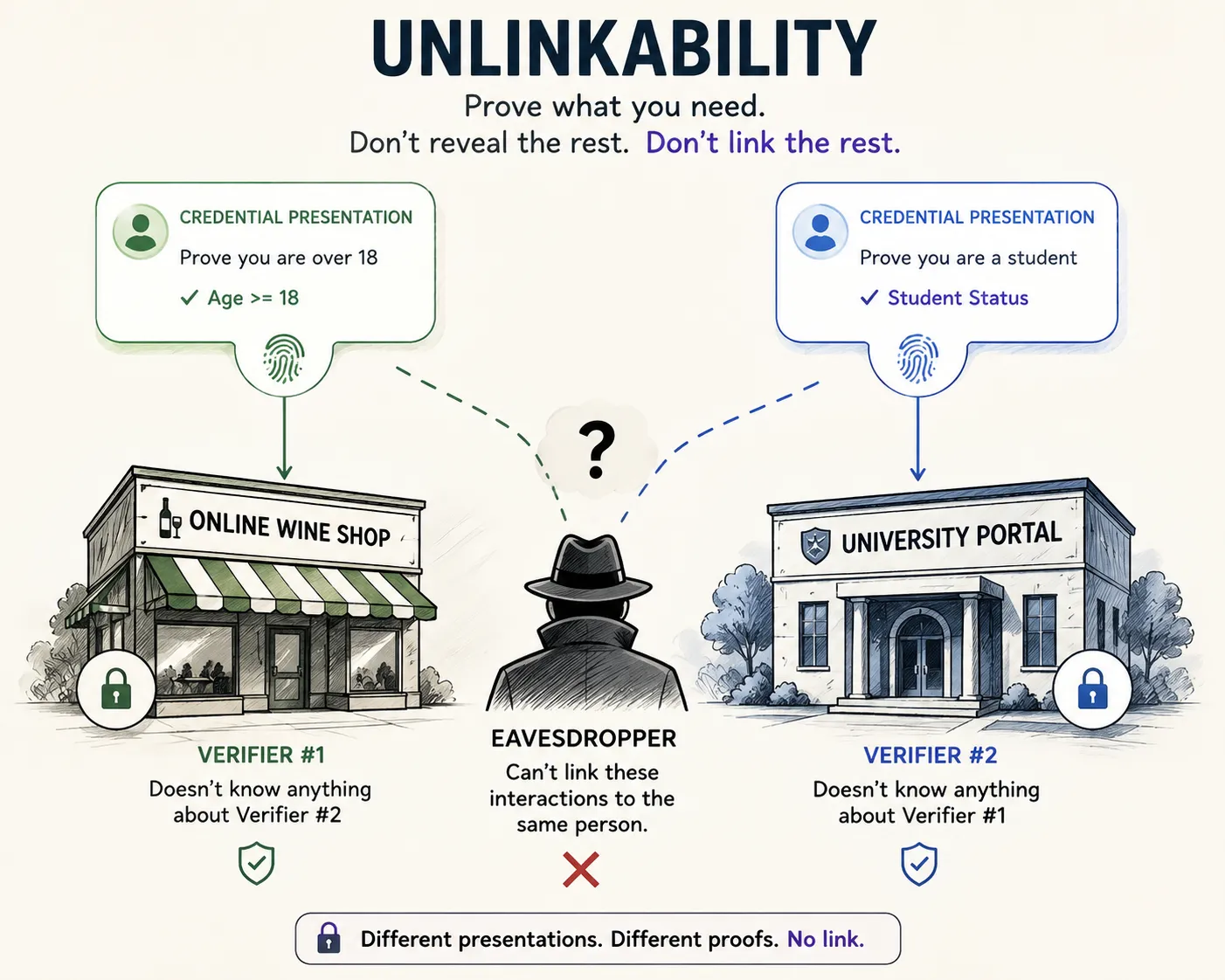
Read article: Selective Disclosure: Finally, an Identity System That Knows When to Stop TalkingImagine if every time you bought groceries, boarded a plane, logged into a website, rented a car, or proved you were old enough to appreciate terrible coffee, someone quietly scribbled another note into your permanent file.
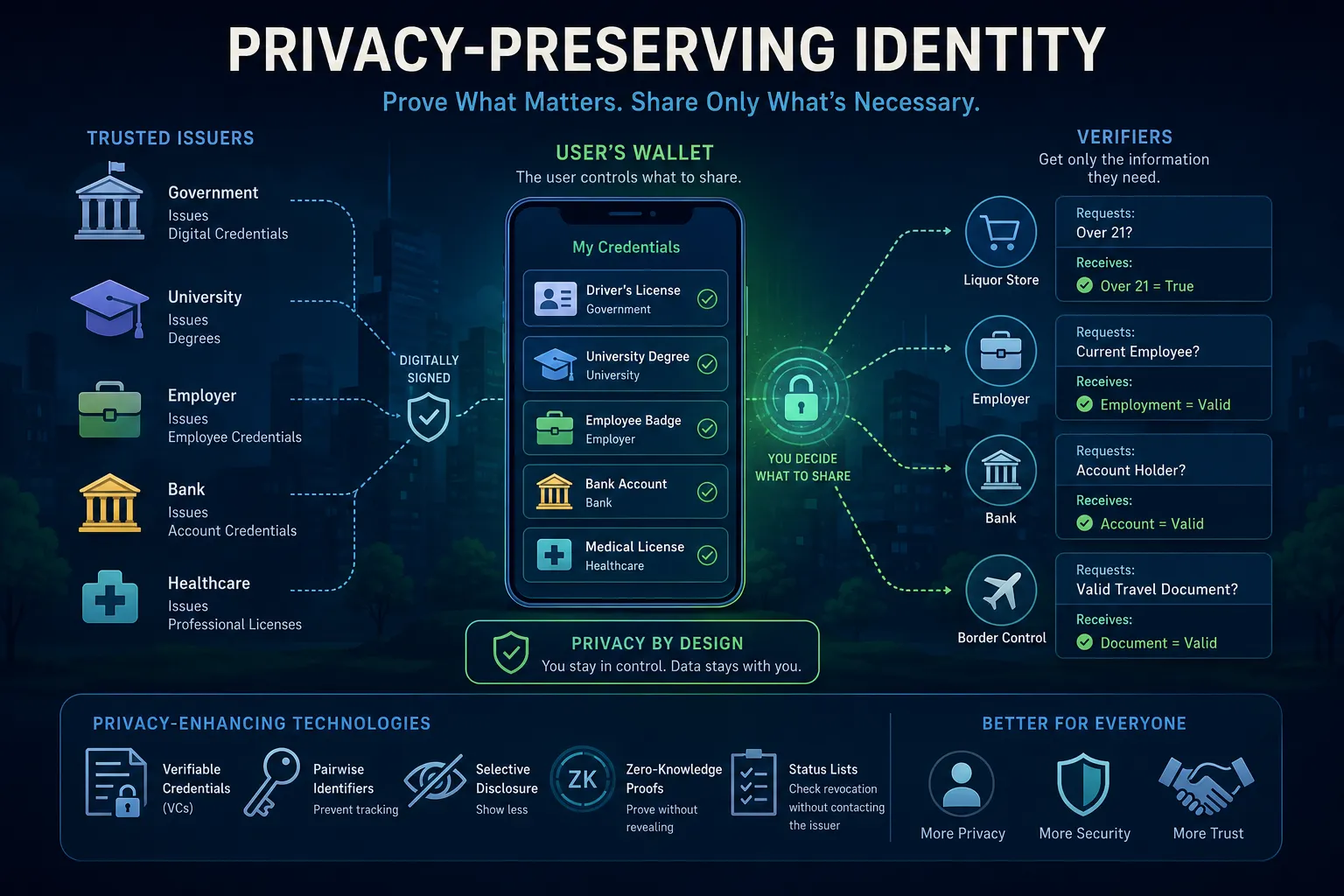
Read article: Unlinkability: Randomness Is Your FriendFor decades, digital identity has followed a remarkably simple philosophy, “Tell me everything about yourself, and I’ll decide whether you may proceed.”
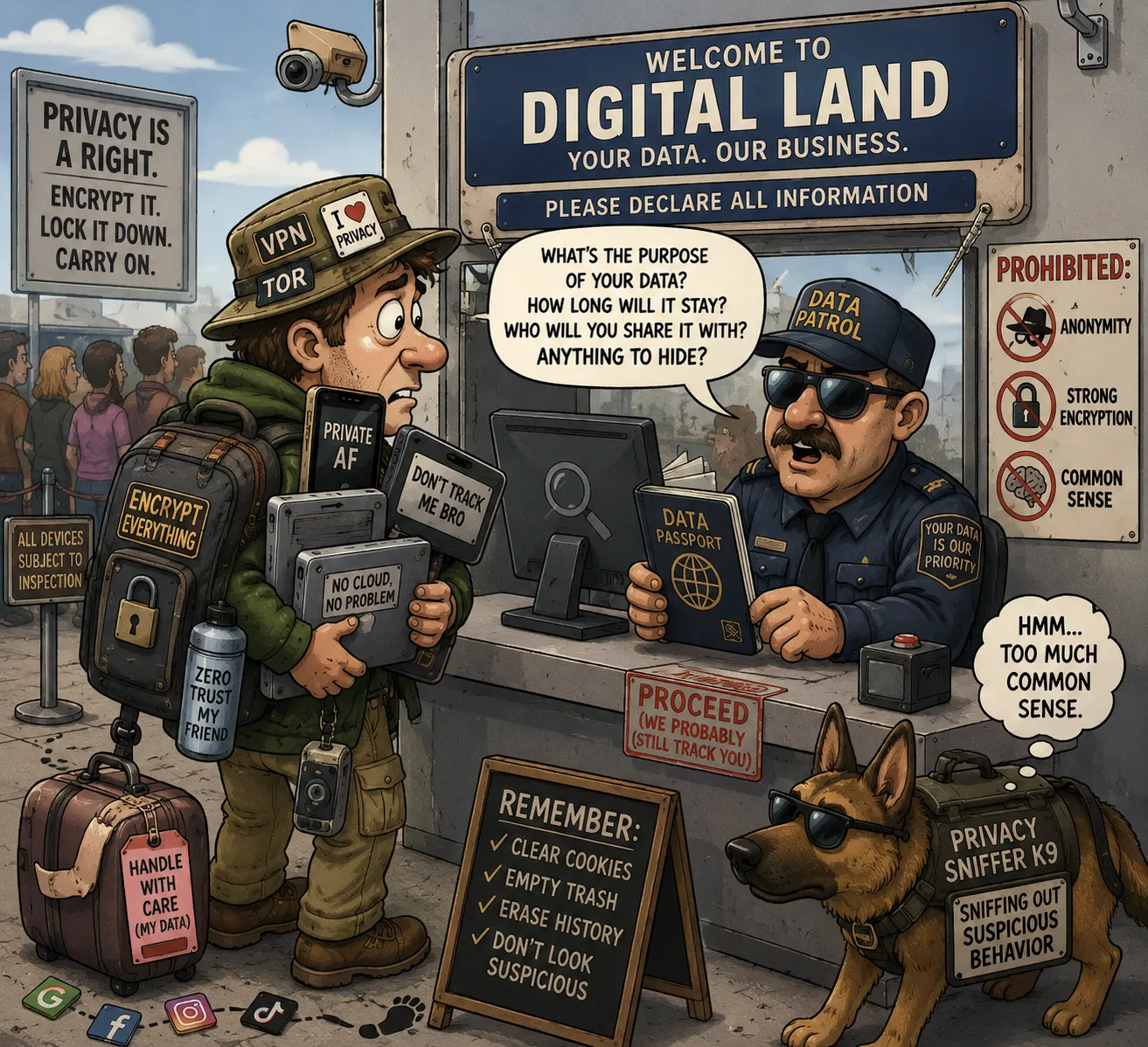
Read article: Privacy-Preserving Identity: Proving What Matters Without Revealing EverythingTravelers Rights. Or, lack thereof.
Read article: Your Phone vs. The Border: A Traveler’s Privacy Tour of the G20This is the first of a two part series. In the second post, we will explore the privacy implications of traveler rights at the border across various countries.
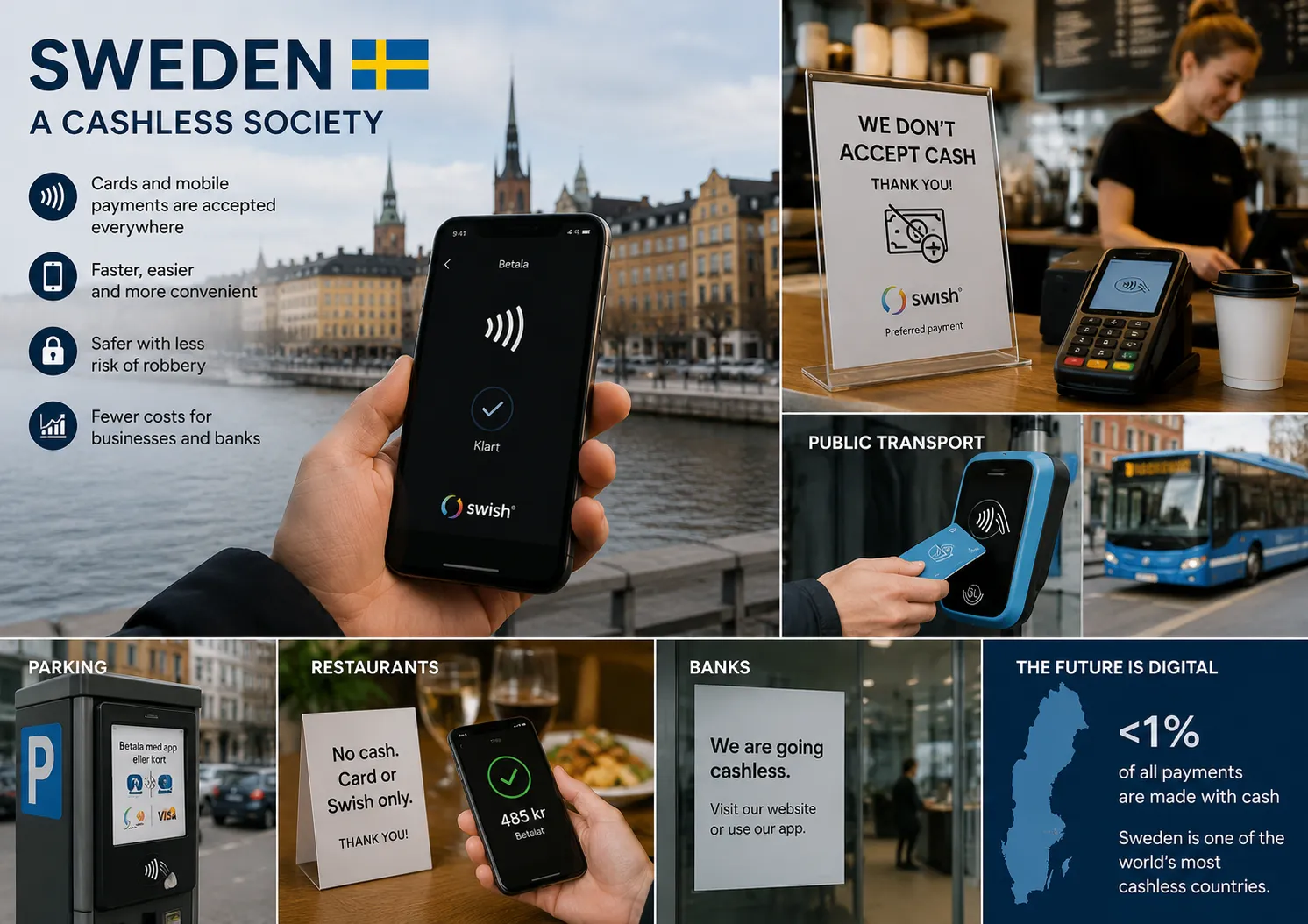
Read article: What Rights Do Tourists and Long-Term Foreign Residents Have?In my “Dangers of a Cashless Society” post, I briefly described my experiences in Sweden. This post expands on that.
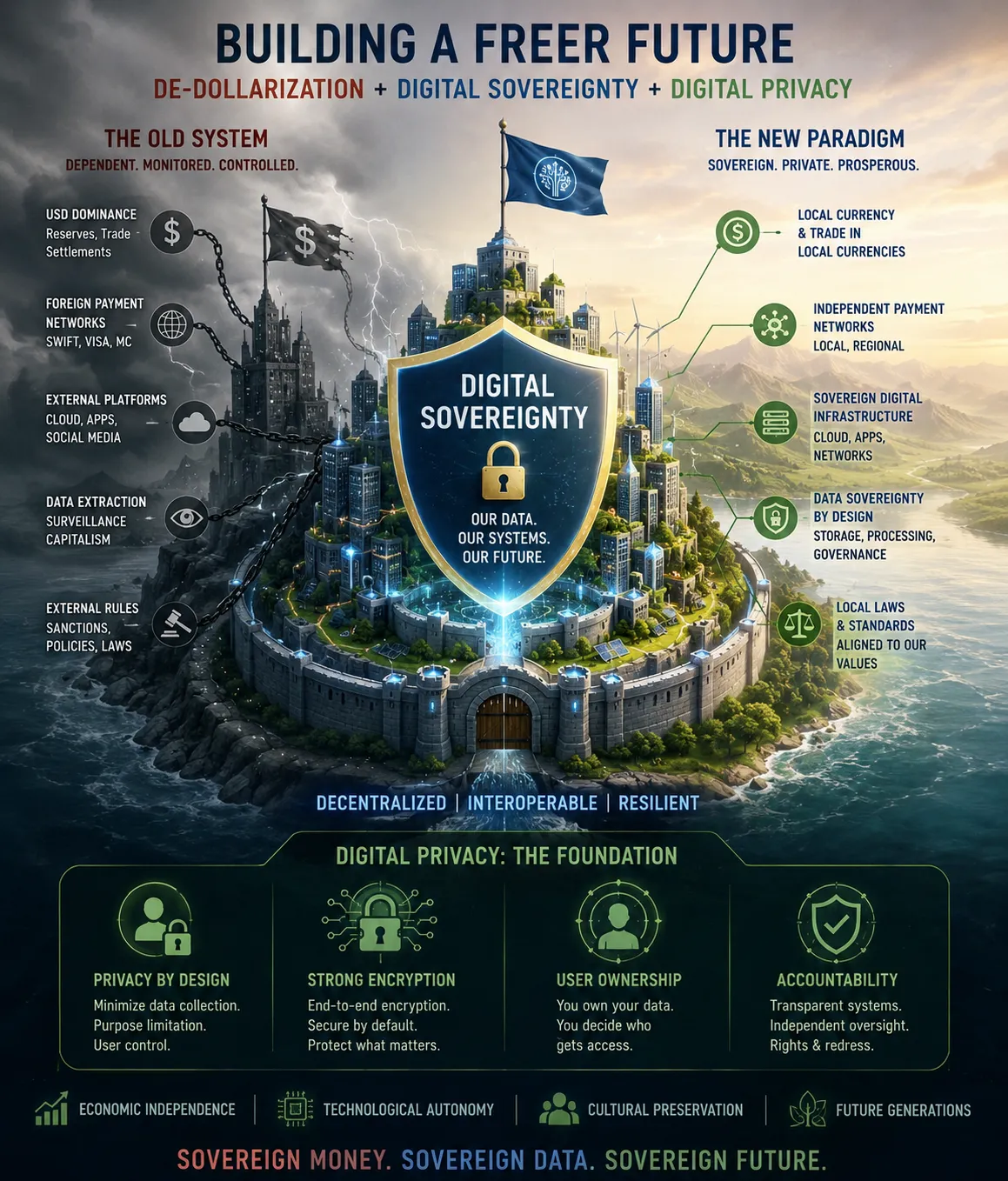
Read article: Sweden’s Cashless Revolution: The Hidden Costs of a Digital Economy“De-dollarization” (moving away from the US Dollar as a reserve currency) is both real and accelerating, but it is gradual, uneven, and multi-dimensional. It is not a sudden collapse of the US dollar’s reserve status, but a persistent shift in the structure of global finance that reflects…
Read article: The Dawn of De-Dollarization, Digital Sovereignty, and Digital Privacy